Oloigero School
The Story
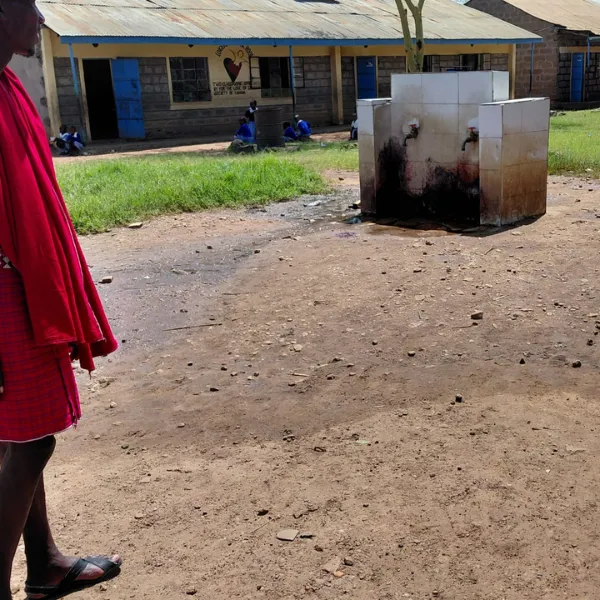
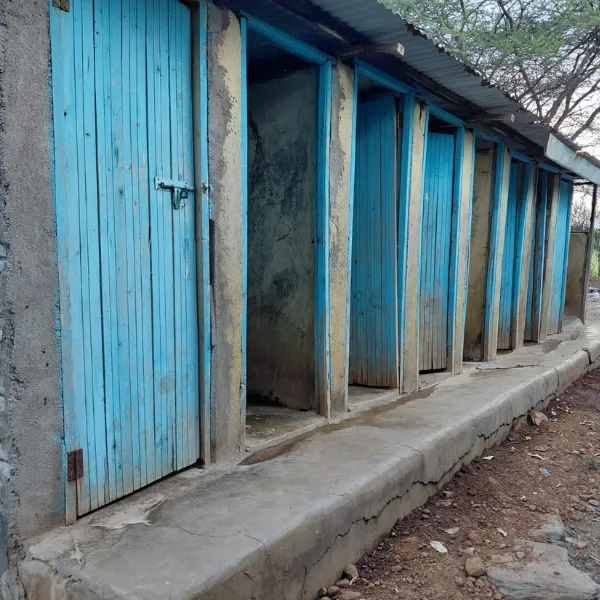
Oloigero Primary School sits in the shadow of the Maasai Mara — one of the most visited landscapes on Earth. Tourists pay thousands to witness the Great Migration from camps a short drive away. But the children who live here, whose families have protected this land for generations, attend a school with collapsing toilets and no safe place for a girl to manage her period.
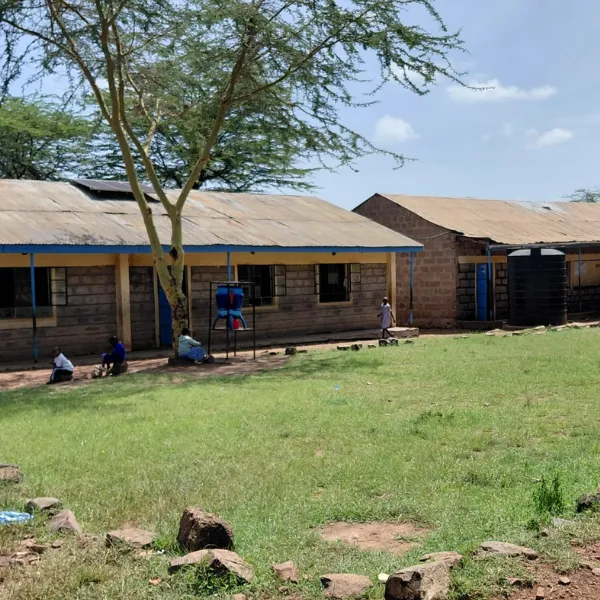
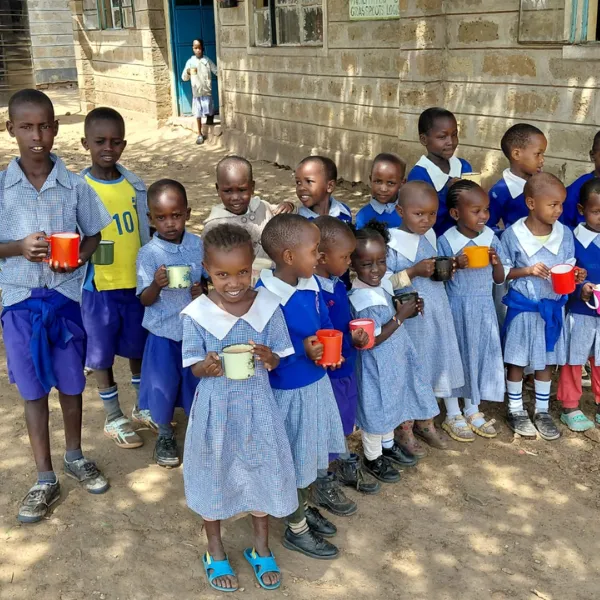
In 2000, fourteen Maasai children gathered under a tree with one volunteer teacher. Today, Oloigero serves more than 819 pupils. Every classroom, every wall, every improvement has come from the community itself. This school has never received external funding. And it has never stopped growing.
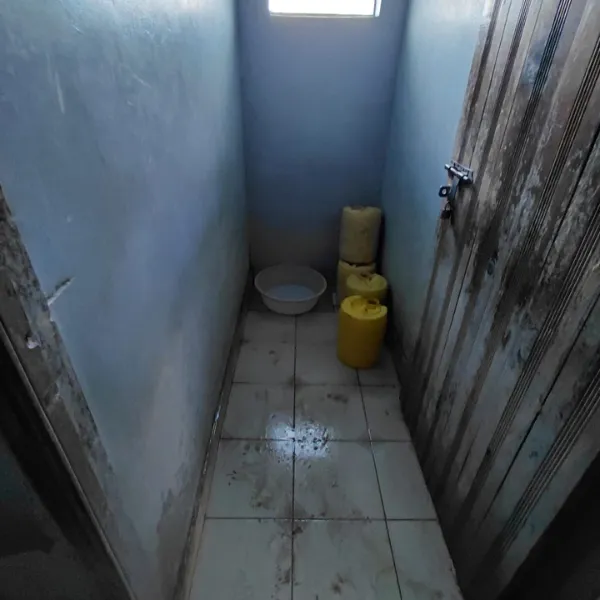
But the community has reached the limit of what it can build alone. The pit latrines are collapsing. There are no handwashing stations. There are no safe or private sanitation facilities for adolescent girls. And Without those basics, the school’s next chapter cannot be written.
Why Girls Matter Most
For a girl in a Maasai community, the path from primary school to a full education has always been precarious. Early marriage and FGM remain real pressures. When school offers no safe sanitation, no privacy, and no reason to stay past puberty, many girls simply stop coming.
We know what happens when girls are given access instead. Sekenani Girls High School — the first secondary school built in the Maasai Mara region, opened in 2014 — graduated its first cohort in 2018.Every single one of those girls went on to higher education. Every one. Not because these girls were exceptional — though they are — but because they were finally given a safe place to learn.
Oloigero is not a secondary school. But it is where the story begins. If girls cannot make it through primary school with their dignity intact, they will never reach secondary school at all.
Safe sanitation, private hygiene facilities, and eventually a dormitory are not add-ons. They are the conditions that make education possible.
The Challenge
- Collapsing pit latrines on rocky terrain that cannot be safely excavated
- No handwashing stations for 819 pupils
- Overcrowded classrooms with no long-term site plan
- No menstrual hygiene facilities for adolescent girls
- No external funding in the school’s 25-year history
What We Are Building — Phased Development
| Phase | Focus | Estimated Cost |
|---|---|---|
| Phase 1 | Biodigester sanitation, handwashing stations, MHM facilities, incinerator, hygiene training | $30,000 |
| Phase 2 | Land planning and site reorganization | $8,000 |
| Phase 3 | Classroom expansion | $48,000 est. |
| Phase 4 | Girls’ dormitory, teacher housing, water, solar, and future infrastructure | TBD — pending assessment |
Phase 4 — A Future Beyond the Classroom
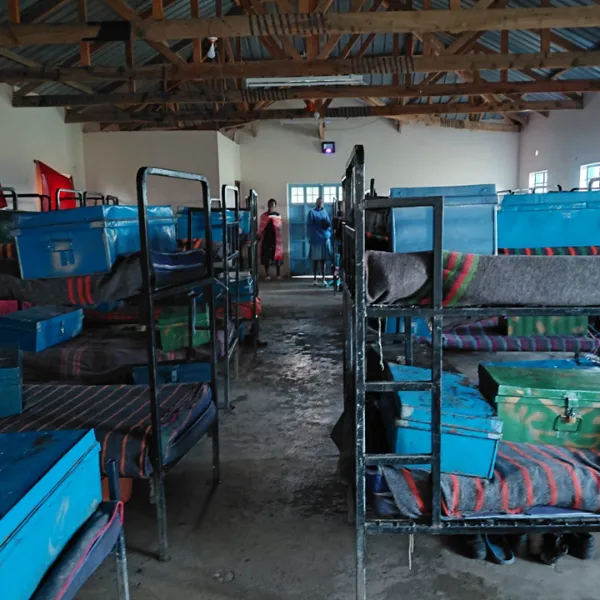
As Oloigero grows, so does our vision. The community has asked for what comes next: teacher housing so that dedicated staff can live on site, solar power so that learning is not limited to daylight, and —perhaps most urgently — a girls’ dormitory.
In Maasai communities, distance from school is one of the primary reasons girls drop out. When a girl must walk hours each way, crossing open terrain, the risk of early marriage or FGM waiting at home becomes a reason not to return. A safe dormitory changes that calculation entirely. It gives girls a place to stay, study, and be protected during the school week — and it gives their families confidence that education and safety can coexist.
Phase 4 is where Oloigero becomes not just a school, but a refuge and a launchpad.
Why It Matters
Safe toilets mean girls stay in school. Handwashing means children are healthier and miss fewer days. A menstrual hygiene facility means an adolescent girl does not have to choose between her dignity and her education. And when a school is built on strong foundations — safe, clean,managed by the community — it becomes something more than a building. It becomes proof that this community’s children matter.
The 819 children at Oloigero have already proven what is possible. Their parents and grandparents built this school from nothing. Now they are asking for what they could not build alone. Your gift answers that ask.
Community Ownership
- A Sanitation Management Committee of teachers, parents, and community leaders oversees the project
- In-kind contributions from the community (labor, land, local materials)
- Hygiene and maintenance training so the system continues long after construction ends
- Durable biodigester technology designed for 20+ years of operation