Malaika Care
The Problem
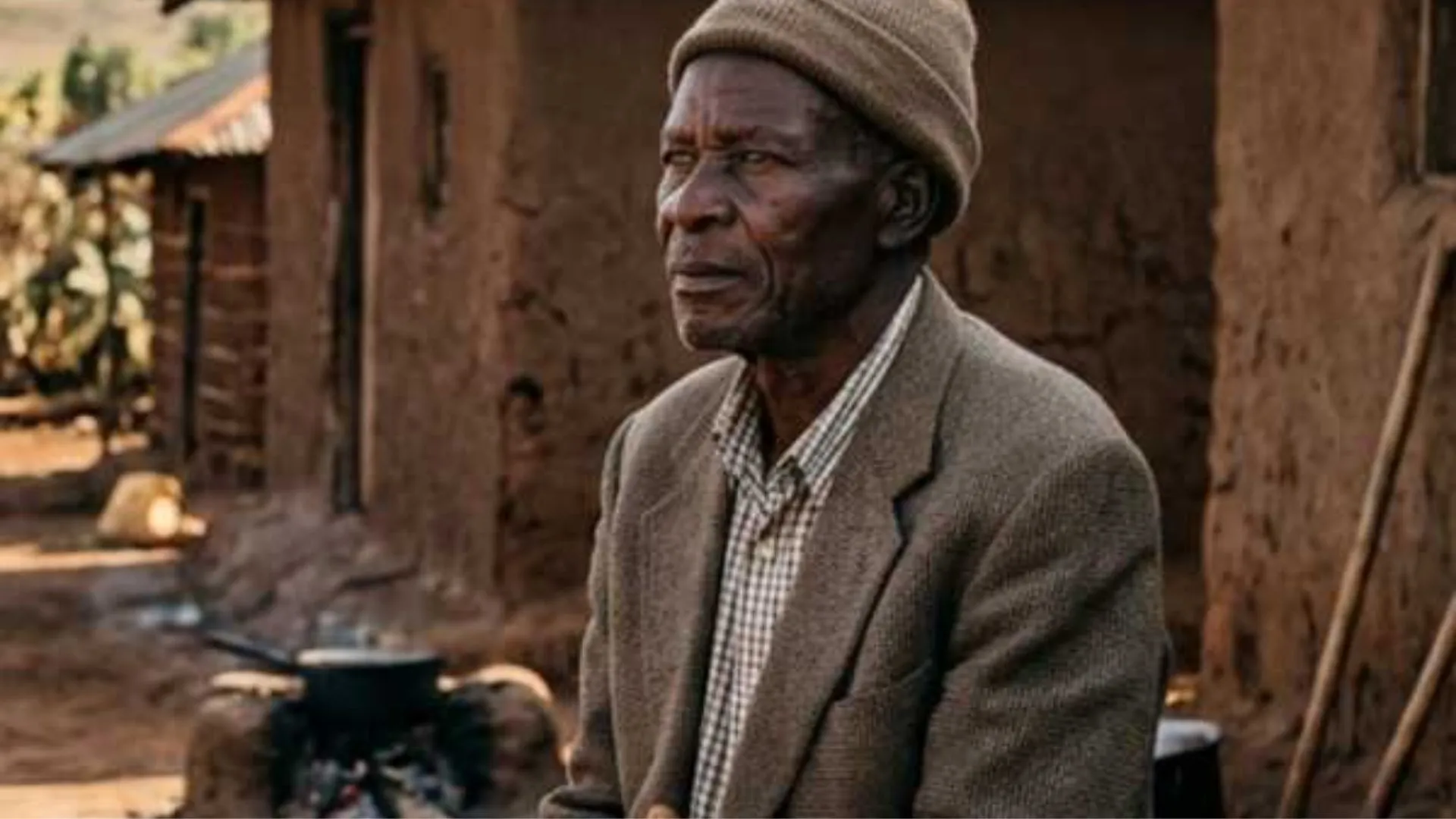
In Homa Bay County, growing older is, for many, a silent emergency. But the isolation that Malaika Care responds to is not accidental — it is the result of overlapping crises that have hollowed out the generation that would normally care for Kenya’s elderly.
Why So Many Elders Are Alone in Homa Bay
Building a culture that values and protects the elderly begins with education and engagement. We aim to shift perceptions and create a movement of collective care.

The HIV/AIDS Crisis
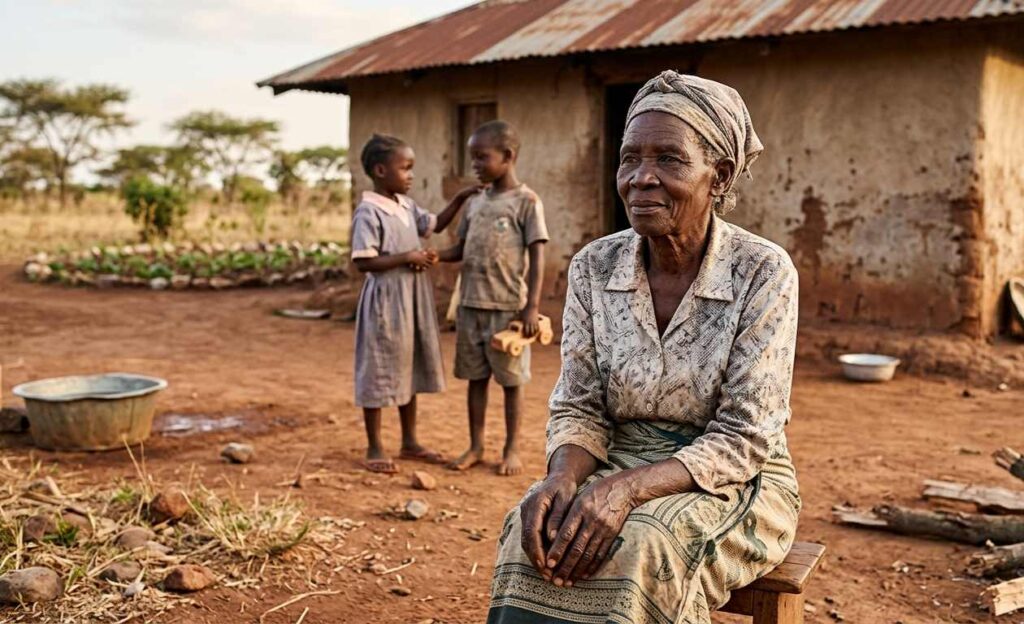
Homa Bay County has the highest HIV prevalence in Kenya — between 26% and 27%, compared to a national average of around 5–6%. This epidemic has devastated the middle generation: the working-age adults who would ordinarily support their parents. What remains are elderly grandparents —often grandmothers — raising orphaned grandchildren alone, in poverty, with no income and no safety net.Some homes are headed by children as young as ten.

Widowhood and Isolation
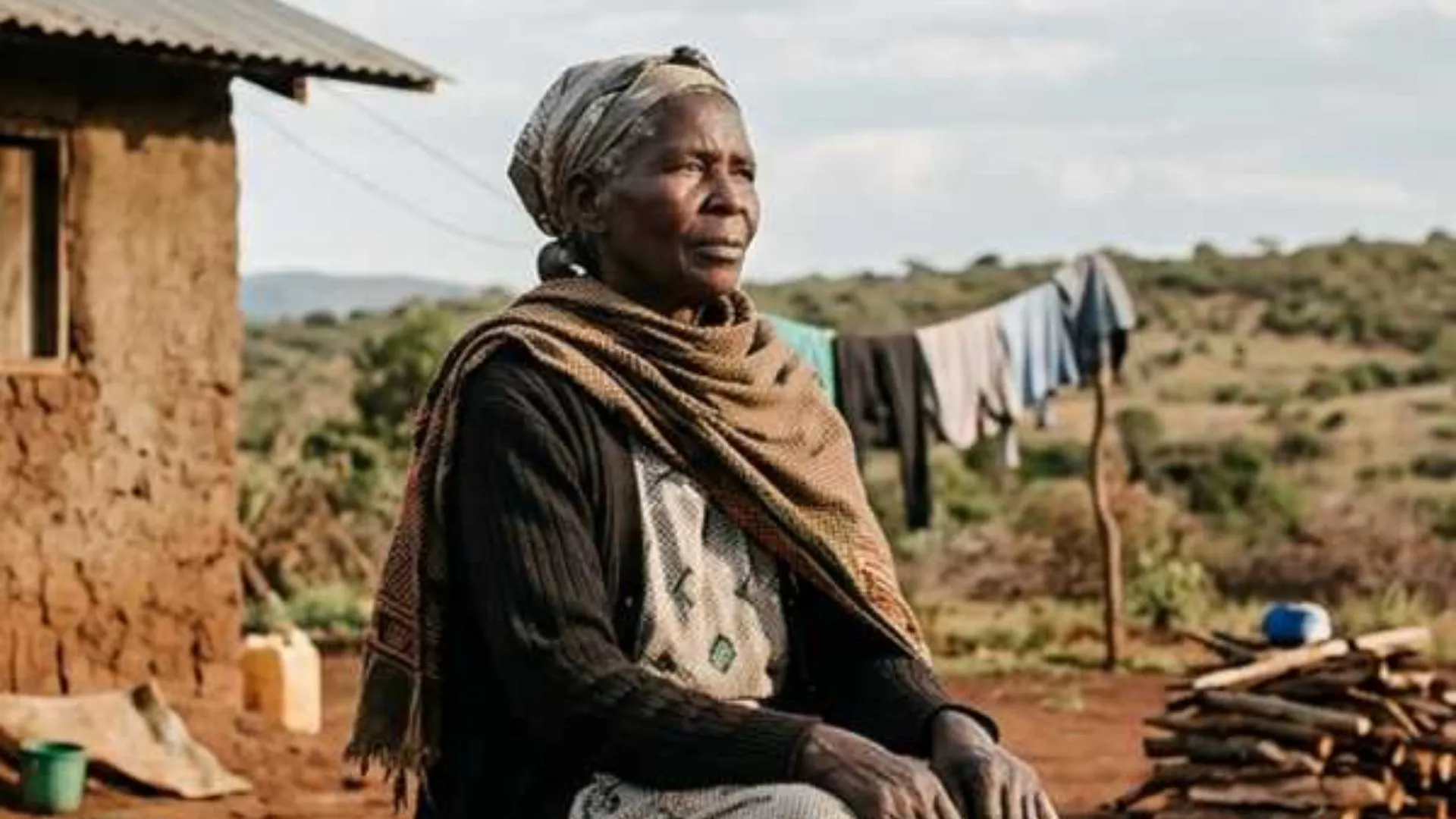
Traditional practices have compounded the crisis for women. Many elderly women in Homa Bay live alone after becoming widows or after families relocated to urban centres. Some live in remote compounds with neighbours far away, leaving them unseen and unsupported for weeks at a time.
Women who resist or survive harmful inheritance practices often end up living entirely alone.

Youth Migration
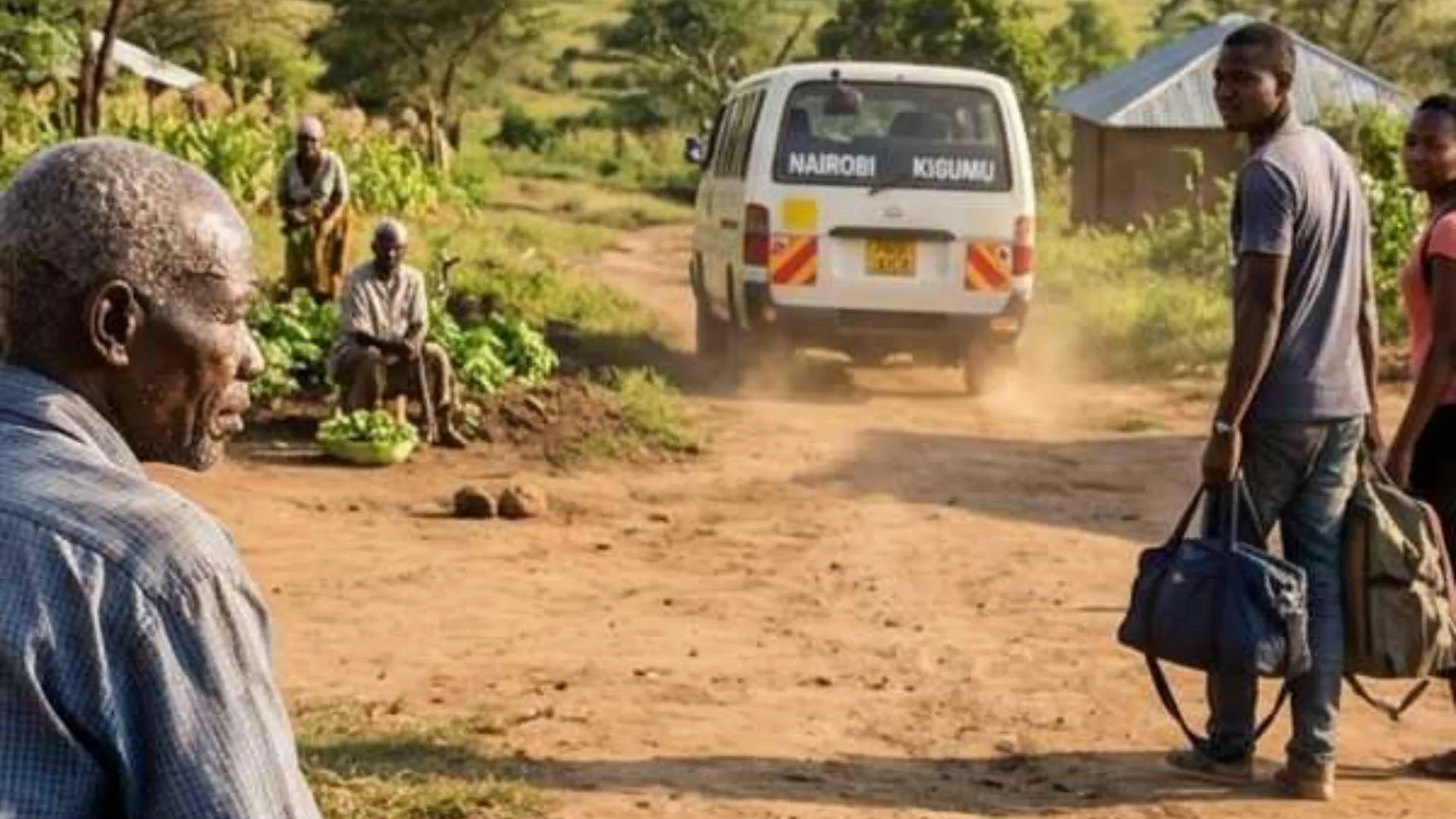
Across Homa Bay, younger generations have left for Nairobi, Kisumu, and Mombasa in search of livelihoods, education, and opportunity.When the young leave, their connection to the elderly who remain can weaken and, eventually, dissolve. In most Kenyan counties, migration is offset by a larger adult population at home. In Homa Bay, where the HIV crisis has already thinned the adult generation,
there are fewer people remaining in the village to begin with.

Poverty and the Absence of a Safety Net
With a poverty rate of 40% and no meaningful rural pension or state support system, elderly people in Homa Bay have no financial buffer against illness, hunger, or isolation. There is no system waiting to catch them when family support fails.
Who We Serve
Vulnerable elders in Kasipul Kabondo Constituency, Homa Bay County — older persons living alone,caring for orphaned grandchildren, or suffering chronic illness without treatment or support. Our first cohort serves 50 beneficiaries, with a system designed to expand as resources allow.
What We Do
These four objectives work together. Better health strengthens the ability to participate in daily life, adequate nutrition supports recovery, organized monitoring ensures no one is overlooked, and livelihood activities help households remain more independent. Malaika Care provides not only immediate relief but a foundation for long-term wellbeing.
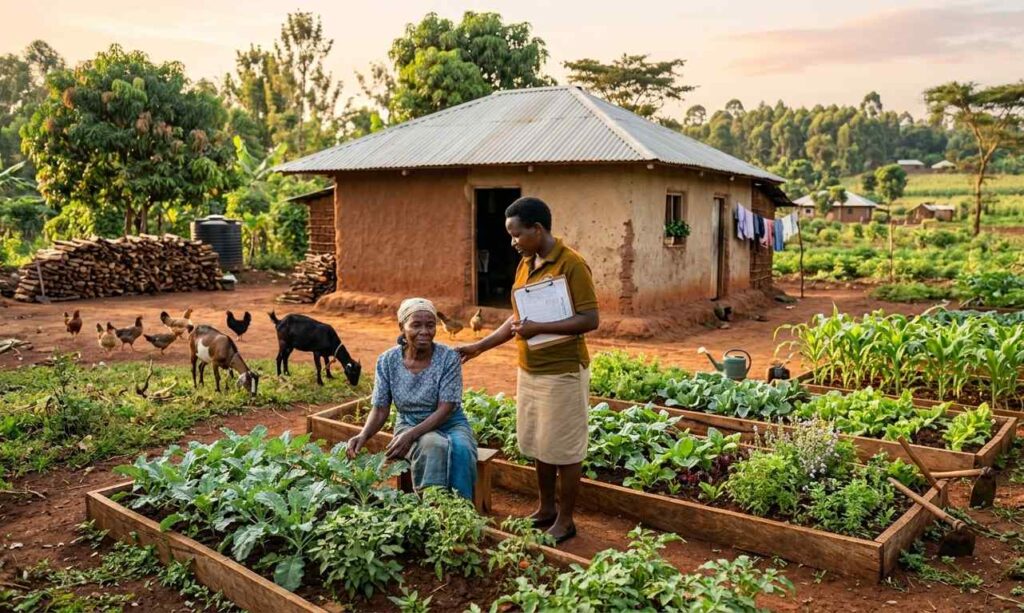
- Livelihoods — Kitchen gardens, small livestock, and simple household production keep elders active, improve nutrition, and build stability.
- Accountability— Beneficiary registers, regular monitoring visits, and community reviews ensure that help reaches those who need it most, consistently and transparently.
- Food Security— Regular food support and small-scale gardening help ensure adequate nutrition while reducing long-term dependence on outside assistance.
- Health Access — We help elders enroll in Kenya’s Social Health Authority, renew coverage, and reach health facilities so that treatable illnesses do not become disabling.
The Sustainable Farm
A self-sustaining farm to nourish our elders and strengthen the community — currently in planning, full of promise. Together, these elements create a community-led farm designed to nourish, empower, and reduce long-term dependency.
Market Garden
Fresh fruits and vegetables for elderly beneficiaries. Surplus sold to generate income for the farm. A living model of food security and community empowerment.
Poultry
Starting with twenty chickens for eggs and meat. Scaling to provide daily nutrition and surplus income. A core component of long-term food self-sufficiency.
Water Well
Reliable water supply for crops, poultry, and elders. Affordable water access for the surrounding community. A sustainable income source to support the farm long-term.
Community Ownership
The farm is designed to be managed and maintained by community members, building local capacity and reducing dependence on outside support over time.