
Investing in Dignity. Building Self Reliance. Transforming Lives.

Supporting Vulnerable Communities — From the Elders Who Built Them to the Children Who Will Carry Them Forward
The Ken Ogelo Foundation was founded on the belief that no one in society should be forgotten because of age, poverty, illness, or circumstance. Every person deserves dignity, care, protection, and the opportunity to live with hope.
Established in honor of the late Kerina Ogelo, the Foundation serves vulnerable groups within rural communities across Kenya through compassionate, community-driven programs that support children, the elderly, and disadvantaged families facing hardship, neglect, illness, and unsafe living conditions.
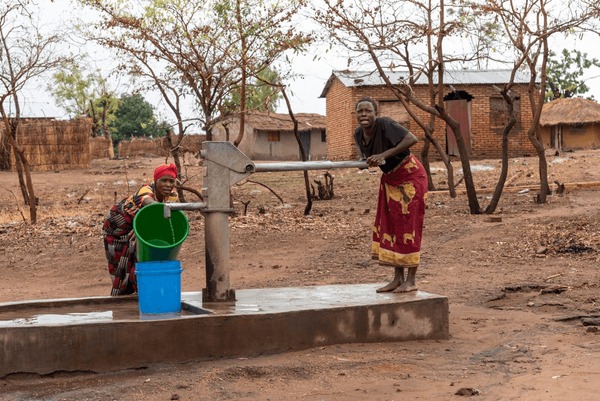
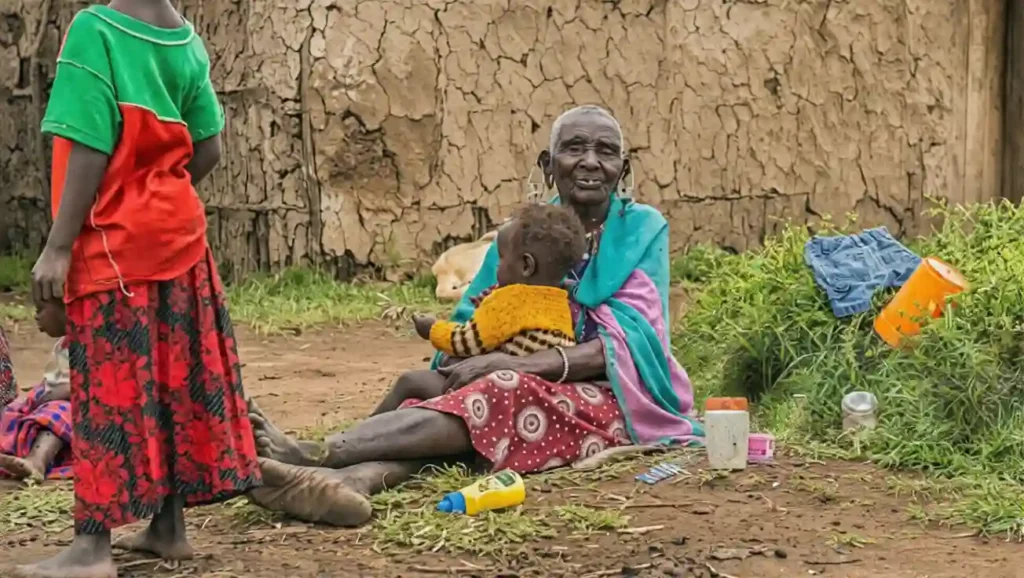
We respond where help has been delayed or absent, focusing on the real people behind every need — the grandparent struggling to care for orphaned grandchildren, the vulnerable family without basic support, and the child forced to learn in unsafe conditions.
At the heart of our work is a commitment to restore dignity, protect lives, and build stronger, more caring communities for those who need it most.
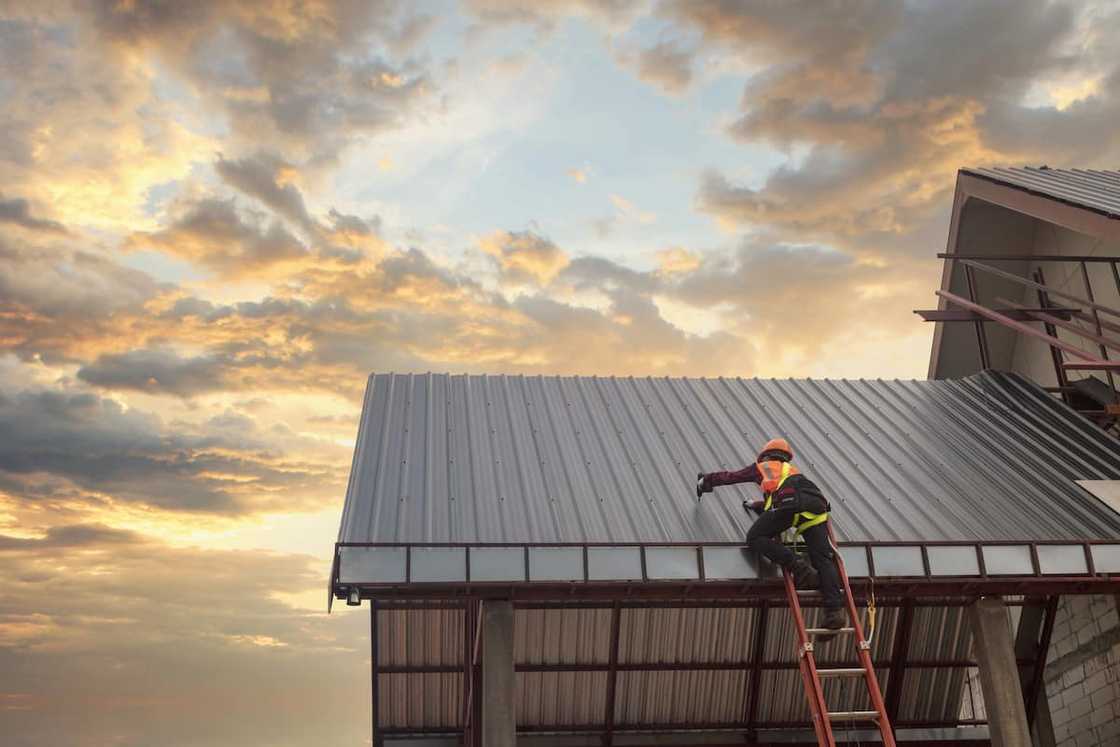
Our New office block along Oyugis–Homa Bay Road,directly opposite Nyangiela Primary School.
Creating Safe, Dignified Futures for Children & Elders

A Disposal Bin for a Girl’s Cubicle
Get a Bin

Feed An Elderly For A Week
Feed an Elder
Emergency Food Support
Help an Elder
SHA Enrollment
Give for SHA
Kitchen Garden Starter Kit
Start a Garden
Hygiene & Dignity Kit
Restore Dignity
Medical Check-Up Support
Fund a CheckupRisks Children & Elders Face
Limited Access to Essential Care
Many children and elders face barriers to healthcare, nutrition, education, and daily support services, increasing vulnerability and reducing opportunities for healthy and dignified living.
Isolation, Neglect & Loss of Dignity
Without consistent community and family support, children and elders may experience loneliness, neglect, emotional distress, and limited social inclusion.
Poverty & Social Vulnerability
Economic hardship can lead to missed education, food insecurity, unsafe living conditions, dependency, and reduced access to opportunities that support long-term wellbeing.