
Ken Ogelo Foundation

Our work

Malaika Care

The Problem

The Problem

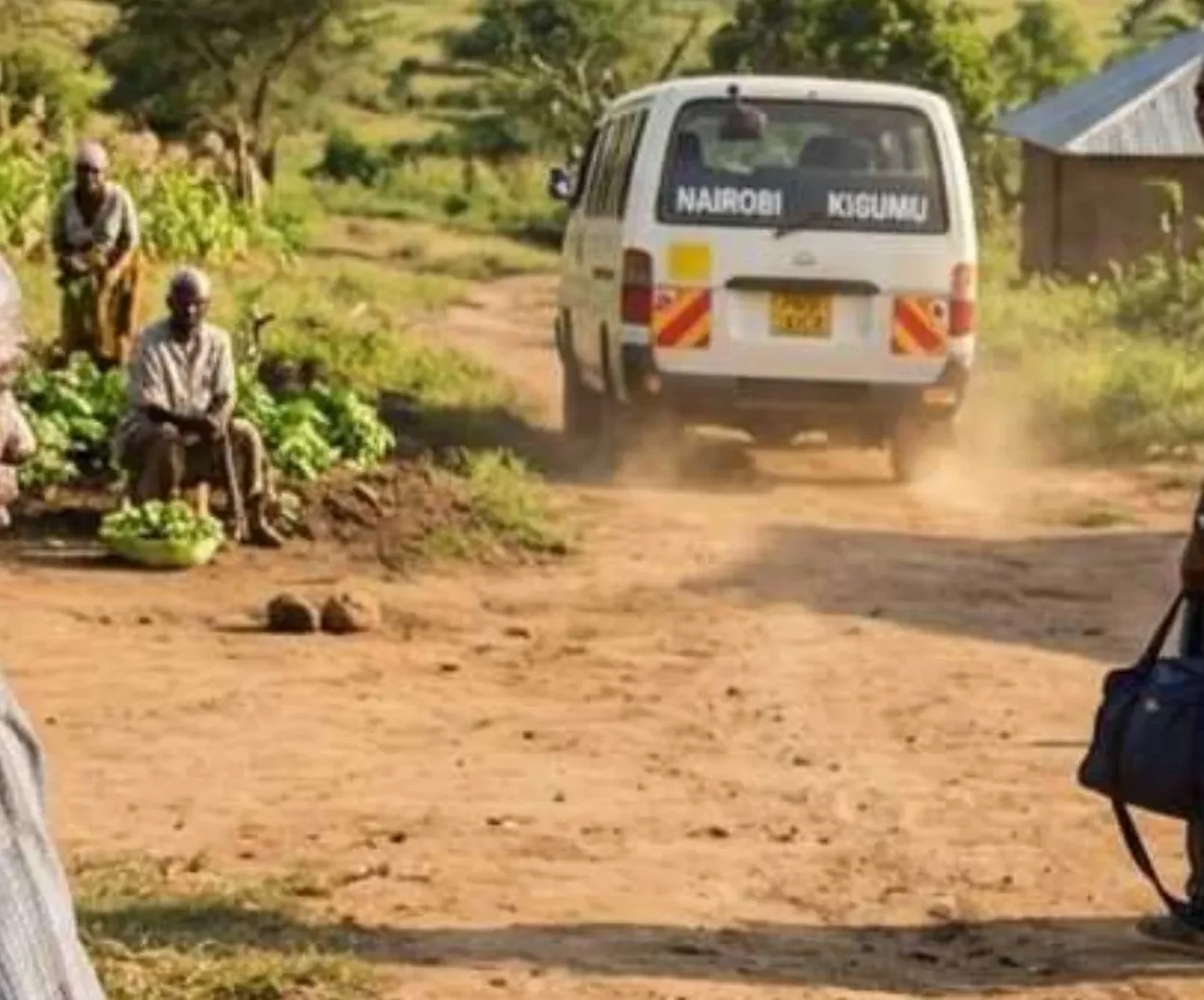
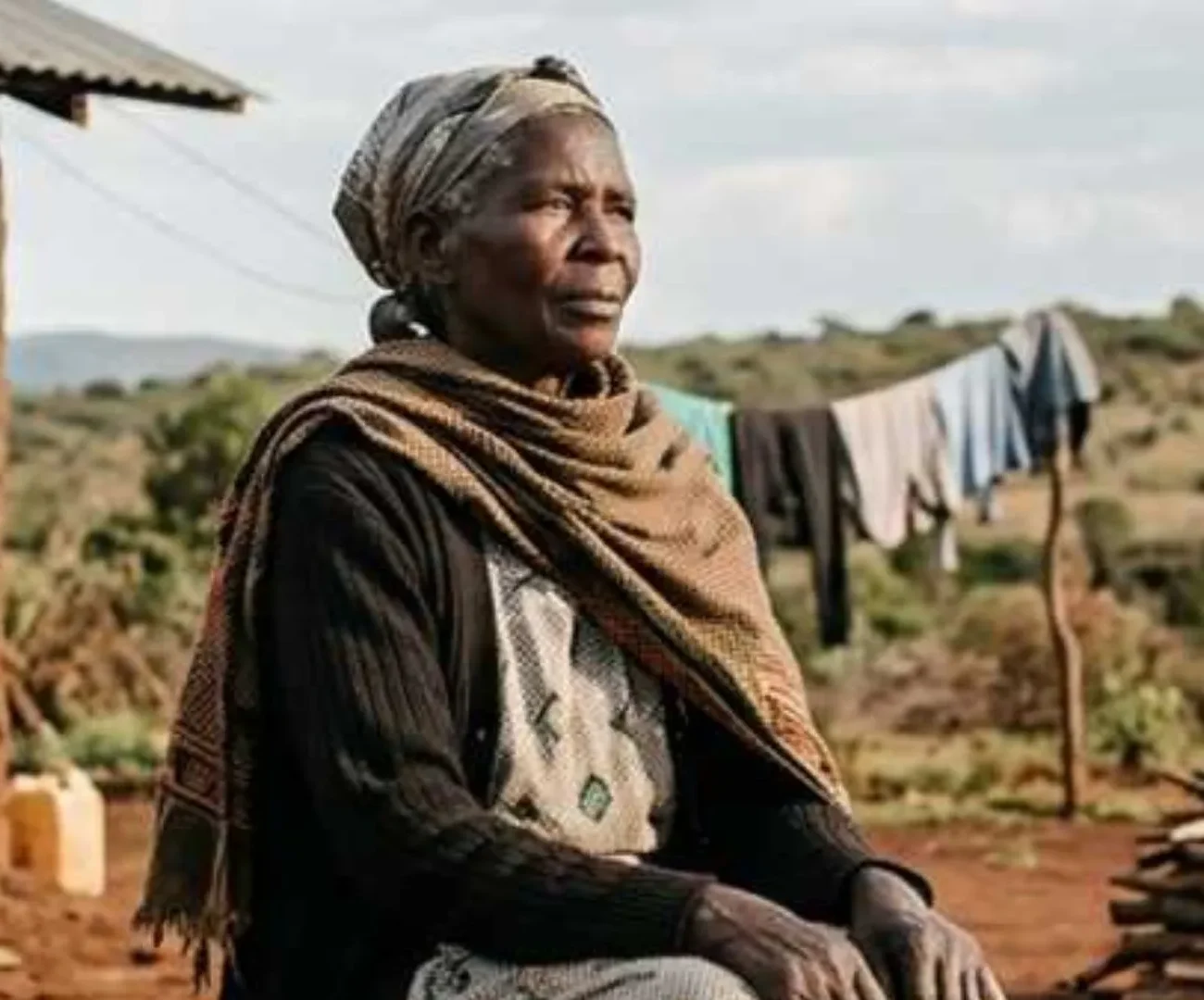
In Homa Bay County, growing older is, for many, a silent emergency. But the isolation that Malaika Care responds to is not accidental — it is the result of overlapping crises that have hollowed out the generation that would normally care for Kenya’s elderly.

Who We Serve

Who We Serve

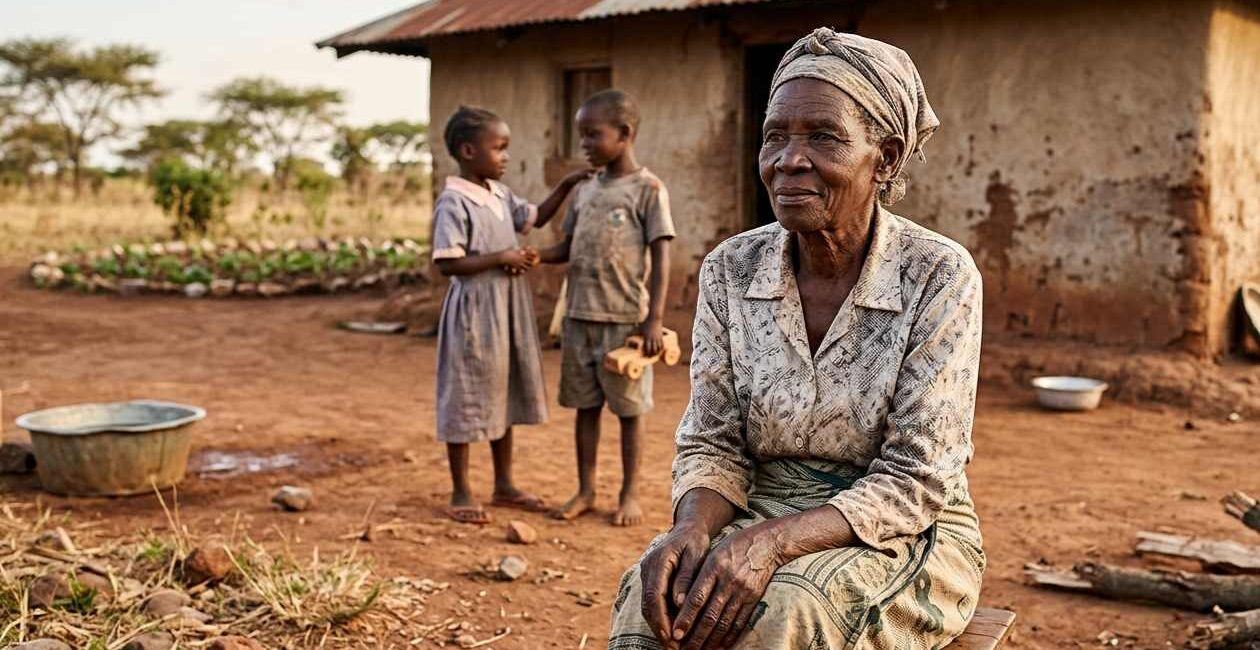
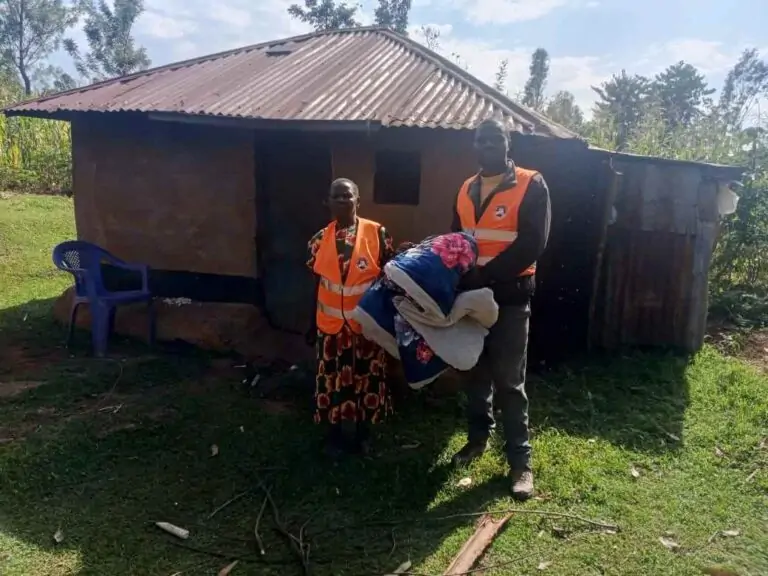
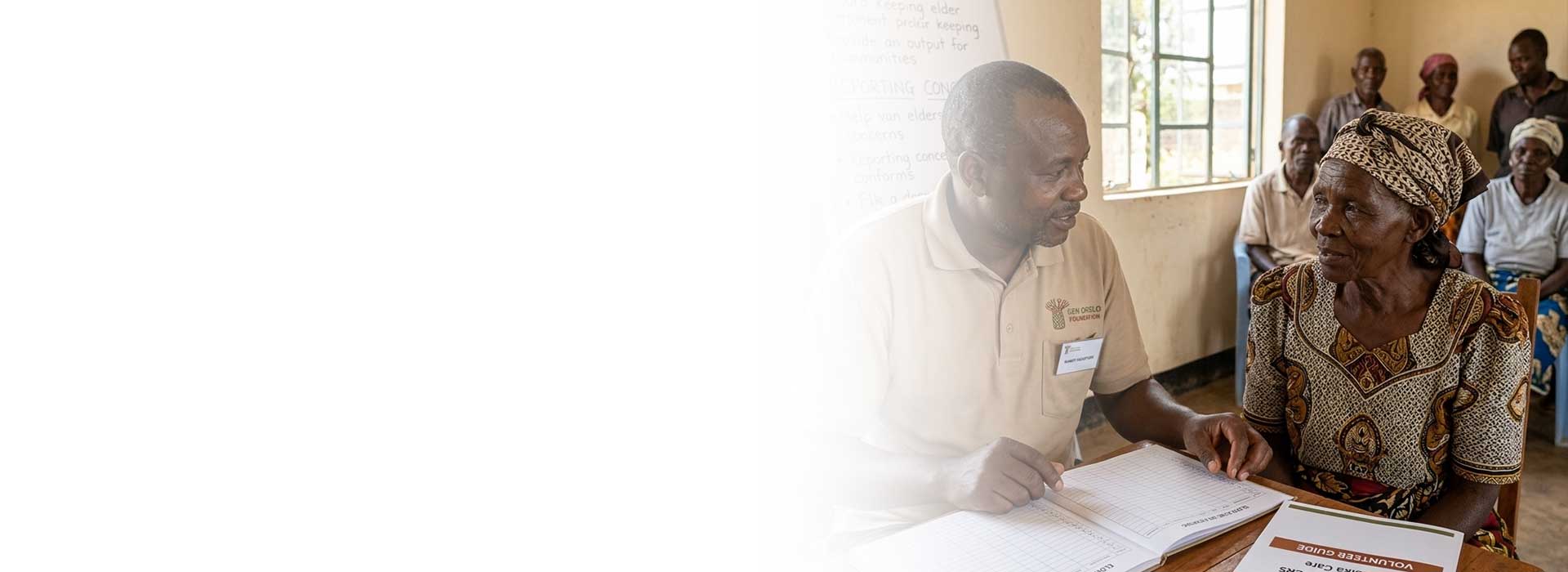
Vulnerable elders in Kasipul Kabondo Constituency, Homa Bay County — older persons living alone,caring for orphaned grandchildren, or suffering chronic illness without treatment or support. Our first cohort serves 50 beneficiaries, with a system designed to expand as resources allow.

What We Do

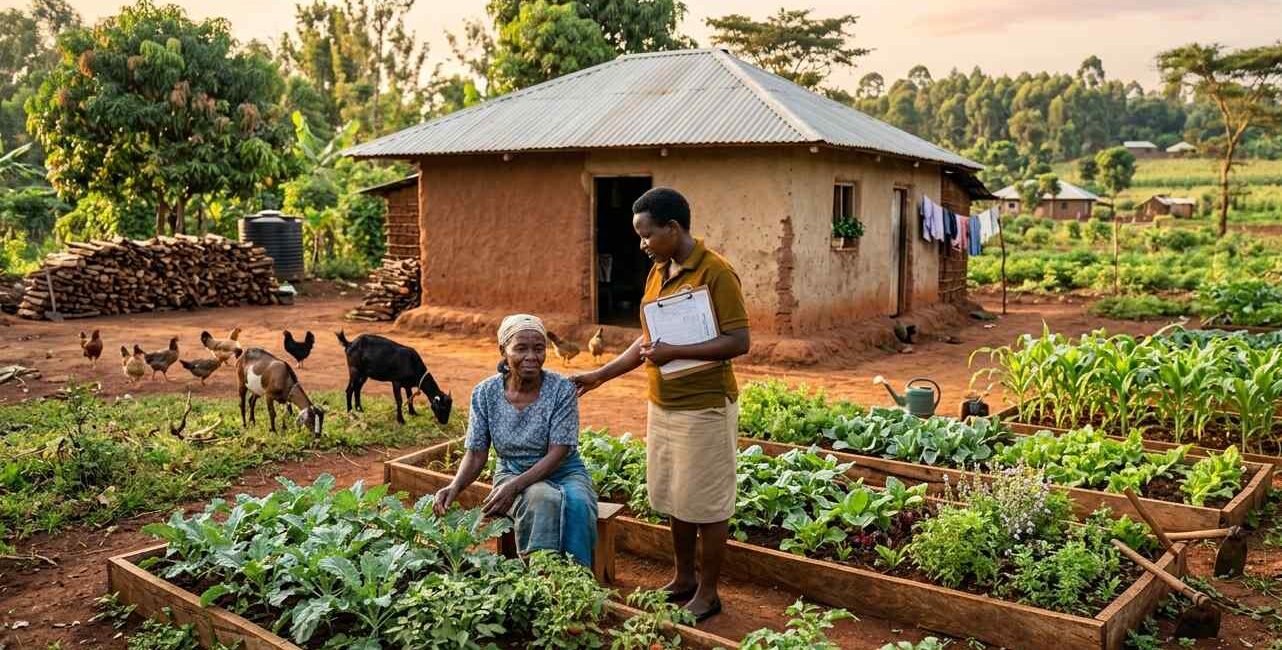
These four objectives work together. Better health strengthens the ability to participate in daily life, adequate nutrition supports recovery, organized monitoring ensures no one is overlooked, and livelihood activities help households remain more independent. Malaika Care provides not only immediate relief but a foundation for long-term wellbeing.

  • Livelihoods β€” Kitchen gardens, small livestock, and simple household production keep elders active, improve nutrition, and build stability.
  • Accountability β€” Beneficiary registers, regular monitoring visits, and community reviews ensure that help reaches those who need it most, consistently and transparently.
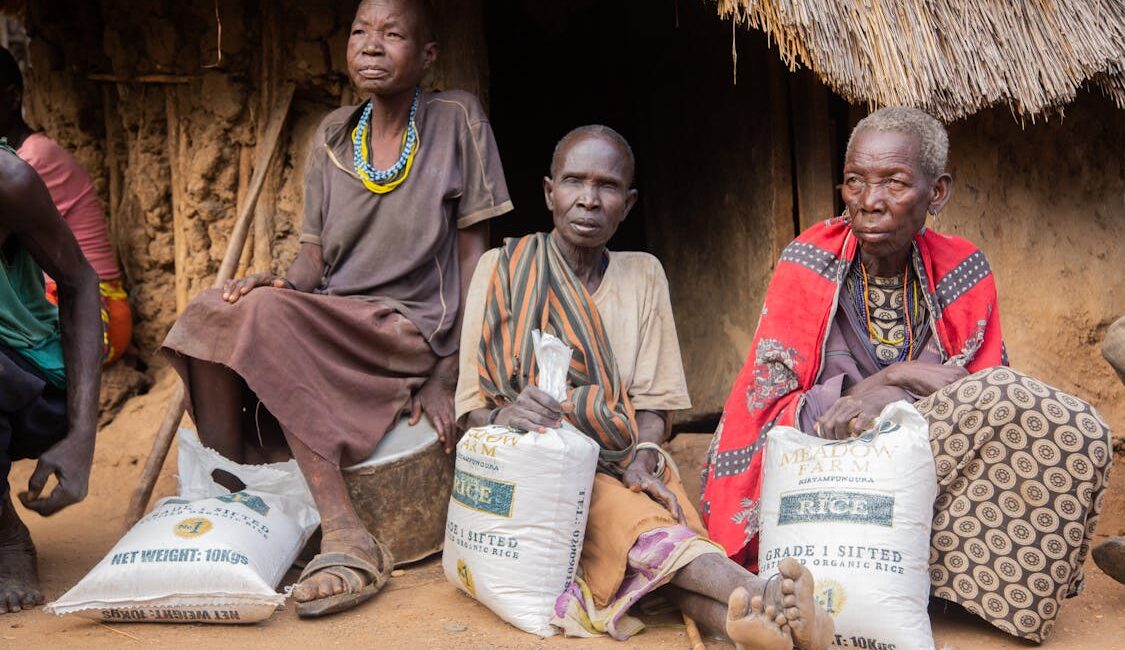
  • Food Security β€” Regular food support and small-scale gardening help ensure adequate nutrition while reducing long-term dependence on outside assistance.
  • Health Access β€” We help elders enroll in Kenya’s Social Health Authority, renew coverage, and reach health facilities so that treatable illnesses do not become disabling.

The Sustainable Farm

A self-sustaining farm to nourish our elders and strengthen the community β€” currently in planning, full of promise. Together, these elements create a community-led farm designed to nourish, empower, and reduce long-term dependency.

Market Garden

Fresh fruits and vegetables for elderly beneficiaries. Surplus sold to generate income for the farm. A living model of food security and community empowerment.

Poultry

Starting with twenty chickens for eggs and meat. Scaling to provide daily nutrition and surplus income. A core component of long-term food self-sufficiency.

Water well

Reliable water supply for crops, poultry, and elders. Affordable water access for the surrounding community. A sustainable income source to support the farm long-term.

Community Ownership

The farm is designed to be managed and maintained by community members, building local capacity and reducing dependence on outside support over time.

Support this work today

Every gift creates real, documented change in the communities we serve.

Donate now
Need help? Chat on WhatsApp